

Nutrition Research Notes
일반 우유와 저지방 우유, 아이 비만과 관련 있나요?
2020년 『미국임상영양학회지(AJCN)』에 실린 메타분석에서, 일반 우유(지방 3.25%)를 마시는 아이는 저지방 우유(지방 0.1~2%)를 마시는 아이보다 과체중·비만 오즈비가 0.61이었습니다(14편, 20,897명). 일반 우유를 마시는 아이 쪽에 과체중·비만이 더 적었다는…
2020년 『미국임상영양학회지(AJCN)』에 실린 메타분석에서, 일반 우유(지방 3.25%)를 마시는 아이는 저지방 우유(지방 0.1~2%)를 마시는 아이보다 과체중·비만 오즈비가 0.61이었습니다(14편, 20,897명). 일반 우유를 마시는 아이 쪽에 과체중·비만이 더 적었다는…

2025 한국인 영양소 섭취기준(보건복지부·한국영양학회)에 따르면 어린이 마그네슘 권장섭취량은 하루 1~2세 70mg, 3~5세 110mg, 6~8세 150mg, 9~11세 220mg입니다. 국민건강영양조사(2016~2019)를 분석한 2023년 연구에서 한국 1~2세의 식사 속 마그네슘…

사용기한 안이고 원래 포장 그대로라면 보관해 둘 수 있습니다. 항생제 설사에는 근거가 있고, 변비에는 근거가 약합니다. 먹이면 안 되는 경우도 정리했습니다.

우아띵 앱에서 안내하던 지역별 출산지원금 정보를 2026년 기준으로 다시 확인해 우아즈 홈페이지 소식 메뉴에도 올렸습니다. 전국 17개 시·도, 230개 시·군·구의 금액을 지원 항목마다 출처와 함께 볼…

기름이 식물성인지보다 포화지방이 몇 g인지가 중요합니다. 식약처 고열량·저영양 기준 250kcal·4g·17g으로 아이 과자 고르는 법을 정리했습니다.

2025 한국인 영양소 섭취기준에 따르면 EPA와 DHA를 합한 충분섭취량은 1~2세 하루 150mg, 3~18세 하루 200mg입니다. 음식과 제품을 모두 더한 양이라서, 구운 고등어 30g 한 번에 들어…
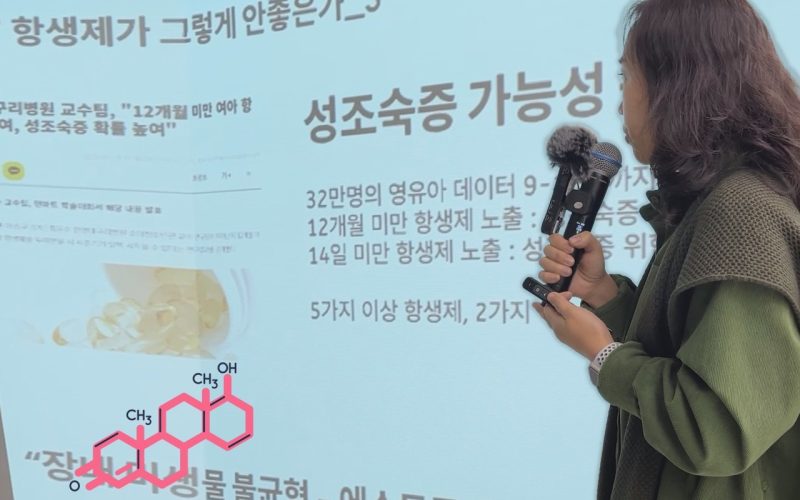
생후 3개월 전에 항생제를 처방받은 여아에서 성조숙증 진단이 1.23배 많았다는 국내 연구가 있습니다. 이 숫자가 뜻하는 것과 아직 모르는 것을 정리했습니다.

독감 백신은 걸릴 확률을 크게 낮추지만 0으로 만들지는 않습니다. 첫해 2회 접종 기준과, 항생제가 백신 반응에 미치는 영향 연구를 정리했습니다.

급성 중이염은 상당수가 항생제 없이 좋아집니다. 지켜봐도 되는 경우와 처음부터 먹이는 경우, 항생제가 장 속 세균에 남기는 흔적을 정리했습니다.

심평원이 의료기관별 항생제 처방률을 1~5등급으로 공개합니다. 조회 방법과 등급 기준, 등급을 읽는 법을 정리했습니다.
Eating poorly is not by itself a reason to give a supplement. Look at the growth curve first. If, on the Korea Disease Control and Prevention Agency's 2017 growth charts, height and weight keep rising between the 3rd and 97th percentiles, uneven meals are usually not a problem. A supplement is a way to fill a specific nutrient that is actually missing because a whole food group has dropped out for weeks; it does not replace meals.
Read the full article (Korean)They do not have to be in the same product. The functional claim the Korean MFDS recognises for vitamin D is that it is needed for calcium and phosphorus to be absorbed and used, but that claim rests mainly on adult data. In children, several studies found that giving more vitamin D did not increase calcium absorption. A 2011 BMJ meta-analysis of six randomised trials in 884 children also found that supplements did not raise bone density in children whose blood vitamin D was normal. So the first question is not whether to take them together, but whether your child is actually short of vitamin D.
Read the full article (Korean)There is no legal age threshold. The 2025 Korean Dietary Reference Intakes set an adequate intake for EPA plus DHA of 100 mg a day at 0-5 months, 150 mg at 6-11 months, 150 mg at 1-2 years and 200 mg from 3 to 18 years, so the standard itself starts before the first birthday. Before one year, though, breast milk and formula are the reference, and after that a child who eats fish such as mackerel about twice a week is already getting that amount from food. Whether to add a product depends less on age than on how much fish the child eats, and if you do add one, follow the intended age and daily amount printed on the back of the pack.
Read the full article (Korean)Yes. Vitamin D and zinc especially. They appear in multivitamins, calcium products, probiotics and fortified milk, so the total adds up fast. When the Korea Consumer Agency tested 18 children's probiotic products in 2023, the five containing vitamin D held 173-319% of the 5 µg adequate intake for ages 6-8, and the eleven containing zinc held 46-193% of the recommended intake for the same ages. Checking is simple: line up everything your child takes, add the same nutrient across products in mg and µg, and compare the total with the tolerable upper intake level for your child's age. If adding it up by hand is a chore, the AI supplement analysis in the Wooathing app uses the same reference table to add several products together and show whether the daily limit is crossed (available to customers who have purchased a Wooakle product). In the full release, an AI health agent will tailor the guidance to each child. It does not replace a doctor or pharmacist.
Read the full article (Korean)Start from the amounts printed in the "nutrition and function" panel on the back. For calcium, the 2025 Korean Dietary Reference Intakes recommend 550 mg a day at ages 3-5, 700 mg at 6-8 and 800 mg at 9-11, and a child who drinks two glasses of milk a day (about 470 mg of calcium) may not need a supplement at all. Then check four things: the form of the nutrient (for calcium, carbonate or citrate), how much is taken at once, which other nutrients come with it, and whether any of them overlap with a product your child already takes. Read the claims on the front last.
Read the full article (Korean)Most cases are no worse than an upset stomach. Of the 3,551 adverse-event reports filed for health functional foods in Korea in 2025, compiled by the Korea Food Safety Information Service, indigestion and abdominal pain were the most common symptoms. The cases that needed treatment involved several times the labeled amount taken for months, not label-dose use. That data covers mostly adult products; no separate figures for children are published. At home, start from the daily amount on the label and compare it with the tolerable upper intake level in the 2025 Korean Dietary Reference Intakes. For magnesium from supplements the upper level is 90mg a day at ages 3-5 and 130mg at ages 6-8.
Read the full article (Korean)Whether the supplement goes down with a meal matters more than morning versus evening. A 2010 study in the Journal of Bone and Mineral Research found that taking vitamin D with the largest meal of the day raised blood levels by an average of 57% after two to three months, and a 1989 study in the American Journal of Clinical Nutrition found calcium absorption 10-30% higher when taken with a meal. Omega-3 is also better right after a meal. If your child takes a separate iron supplement, keep it at least two hours apart from calcium. The idea that an evening dose helps sleep has not been shown in children. Most of this research was done in adults, so pick the meal your child never skips.
Read the full article (Korean)According to the 2025 Dietary Reference Intakes for Koreans (Ministry of Health and Welfare and the Korean Nutrition Society), the recommended calcium intake for children is 450 mg a day at ages 1-2, 550 mg at 3-5, 700 mg at 6-8 and 800 mg at 9-11, and at 12-14 it is 950 mg for boys and 850 mg for girls. A 200 mL cup of milk has 236 mg of calcium, so a 3-5-year-old needs a little over two cups' worth and a 9-11-year-old about three and a half. Milk alone does not have to cover it; adding cheese, yogurt and anchovy side dishes so the daily total comes close to these numbers is enough.
Read the full article (Korean)Get notified when we post notices, press releases, and parenting insights.
On iPhone, tap the Share button in Safari and choose "Add to Home Screen".